GSA Contract Holder Learn More
0
0
Looking for a Great Deal? Shop Weekly Deals →

Zipwall

ZipWall Dust Barrier & Temporary Wall Systems for Construction and Restoration

Create temporary dust barriers, room enclosures and contained work areas with ZipWall® dust containment systems. Shop spring-loaded poles, temporary wall systems, ZipDoor® kits, dust barrier zippers, FoamRail™ components, side clamps and other containment accessories for construction, renovation, remodeling and restoration.

Professional Dust Containment Without Permanent Walls

Construction, remodeling and restoration work can create dust and debris that spreads well beyond the immediate work area. ZipWall® dust barrier systems provide a flexible way to create temporary containment walls and controlled work areas without constructing permanent partitions.

The ZipWall system uses spring-loaded poles and related components to support temporary plastic or fabric barriers. Depending on the application, contractors can add zippers, doorway systems, side clamps, FoamRail™ components and other accessories to create a more complete containment setup.

Build a Contained Work Area Quickly

ZipWall systems are designed around fast setup and removal. The spring-loaded pole systems can create temporary barriers without ladders, nails or permanent construction, making them useful when the containment needs to move or change as a project progresses.

ZipWall Dust Barrier Systems

ZipWall ZipPole™ Systems

Spring-loaded ZipPole™ systems provide a flexible framework for temporary dust barriers. Available kits provide different numbers of poles for creating contained work areas of varying sizes.

SLP™ Temporary Wall Systems

SLP systems provide spring-loaded poles for creating temporary walls and dust barriers. Multi-pole kits are useful for larger work areas and projects requiring multiple sections of containment.

Long-Span & Heavy-Duty Systems

Longer poles and specialized components can be used when the project requires a larger temporary barrier or additional support for the containment setup.

FoamRail™ & Side Sealing Components

FoamRail™ cross bars and side clamps help seal the edges and sides of temporary barriers where additional containment is needed.

ZipWall Zippers & Temporary Door Systems

A dust barrier is only useful if workers can enter and exit the contained area without repeatedly opening or tearing the barrier. ZipWall offers zipper and doorway products that create controlled access through temporary containment walls.

Standard Zippers

Self-adhesive standard zippers provide a simple way to create an entrance in a temporary plastic dust barrier.

Heavy-Duty Zippers

Heavy-duty zipper options provide a more robust entry solution for demanding construction and restoration applications.

ZipDoor® Kits

ZipDoor® kits provide framed or zipper-based doorway solutions for temporary dust containment walls and controlled access points.

Controlled Access Helps Maintain Containment

Adding a dedicated doorway or zipper entrance makes it easier for workers to move through the containment barrier without cutting, removing or repeatedly disturbing the surrounding sheeting.

Dust Containment for Construction & Restoration

ZipWall systems are useful anywhere temporary containment is needed to separate an active work area from occupied or finished areas. The systems are used across construction, renovation and restoration applications.

Construction & Remodeling

Create temporary barriers during demolition, drywall installation, sanding, concrete cutting, flooring work, painting and other construction activities that generate dust or debris.

Restoration

Establish temporary containment during water damage restoration, reconstruction and other restoration projects where work areas need to be separated from occupied spaces.

Facility Renovation

Help keep occupied buildings operating while construction or renovation work takes place in offices, retail spaces, healthcare facilities, schools and other facilities.

Common ZipWall Dust Barrier Applications

Application Containment Need Useful ZipWall Components
Drywall & Sanding Separate dusty work areas from finished or occupied areas. Spring-loaded poles, plastic sheeting, zippers and side-sealing components.
Flooring Installation Contain dust and debris while maintaining access around the work zone. ZipPoles, temporary wall systems and doorway kits.
Demolition Create a temporary barrier around an active demolition area. Temporary wall systems, heavy-duty zippers and sealing accessories.
Painting & Remodeling Separate work areas from occupied portions of a building. ZipPoles, standard zippers and doorway systems.
Water Damage Restoration Establish a contained restoration work area during reconstruction. Temporary wall systems, poles, zippers and side-sealing components.
Facility Renovation Keep construction activity separated from active building areas. Long-span poles, temporary walls, doorway systems and containment accessories.

ZipWall Dust Barrier Accessories

The right accessories can help customize a containment system to the requirements of a particular job. UnoClean carries components designed to help secure, seal, access and transport ZipWall systems.

Side Clamps

Tight-seal side clamps help secure the sides of a temporary barrier where additional sealing is required.

Grip Disks & Non-Skid Plates

Replacement grip disks and non-skid plates help secure poles and maintain contact with the floor and ceiling surfaces.

FoamRail™ Cross Bars

FoamRail™ cross bars and T-clips provide additional support and sealing options for temporary barrier installations.

ZipHook™

ZipHook™ clamping tools and hanging hooks provide additional options for securing materials and organizing a containment installation.

Carry Bags

ZipWall carry bags make it easier to store and transport poles, cross bars and other components between jobsites.

Caution Tape

Construction caution tape can be used to identify restricted or potentially hazardous work areas during construction and maintenance activities.

How to Build a ZipWall Dust Barrier

1. Define the Work Area

Determine where the temporary barrier needs to separate the active work area from finished, occupied or clean portions of the building.

2. Select the Pole System

Choose the appropriate ZipWall or ZipPole system based on the height of the ceiling, length of the barrier and size of the work area.

3. Install the Barrier Material

Attach compatible plastic sheeting or other appropriate barrier material to the poles according to the manufacturer's instructions.

4. Seal the Edges

Use appropriate side clamps, FoamRail™ components or other accessories where additional sealing is needed around the perimeter.

5. Add an Entryway

Install a standard zipper, heavy-duty zipper or ZipDoor® system to provide controlled access through the barrier.

Choose the Right ZipWall System

For Smaller Jobs

Compact ZipPole kits are a practical choice for smaller remodeling, repair and renovation projects where a limited number of poles can create the required barrier.

For Larger Containment Areas

Larger SLP systems and multi-pole kits provide more poles for creating longer temporary walls and larger contained work areas.

For Controlled Entry

Add standard or heavy-duty zippers, ZipDoor® kits or magnetic doorway systems when workers need convenient access through the barrier.

For Additional Sealing

FoamRail™, side clamps and related accessories can be added when the installation requires additional support or tighter perimeter sealing.

Temporary Containment for Active Work Environments

ZipWall systems are particularly useful when work must continue in an occupied building. A temporary barrier can separate the construction or restoration area from surrounding spaces while allowing the containment configuration to be adjusted as the project changes.

Frequently Asked Questions About ZipWall Dust Barriers

What is a ZipWall dust barrier?

A ZipWall dust barrier is a temporary containment system that uses spring-loaded poles and barrier material to create temporary walls around construction, renovation, remodeling or restoration work areas.

What are ZipWall poles used for?

ZipWall and ZipPole spring-loaded poles provide the framework for supporting temporary plastic or fabric barriers. Different pole systems are available for different ceiling heights and containment requirements.

Can ZipWall systems be used for restoration work?

Yes. ZipWall systems are used in restoration environments to establish temporary containment around active work areas, including reconstruction and other restoration activities.

Can ZipWall be used for construction and remodeling?

Yes. ZipWall systems are designed for applications including demolition, drywall work, sanding, painting, flooring installation, renovation and remodeling.

How do you create a doorway in a ZipWall barrier?

ZipWall offers standard and heavy-duty adhesive zippers as well as ZipDoor® doorway kits that can be used to create controlled entry points through temporary barriers.

Do ZipWall barriers require ladders?

The spring-loaded ZipWall systems are designed for installation without ladders when used within their intended height and application range. Always follow the manufacturer's setup instructions for the specific system.

What accessories are available for ZipWall systems?

Accessories include zippers, doorway kits, side clamps, FoamRail™ cross bars, grip disks, non-skid plates, ZipHook™ components, carry bags and other replacement or installation components.

What material can be used with ZipWall poles?

ZipWall systems can be used with compatible plastic sheeting and, for applicable installations, light canvas or cotton fabric barriers. Follow the manufacturer's instructions for the specific system and barrier material.

Shop ZipWall Dust Barrier Systems

Build temporary dust barriers and contained work areas with ZipWall poles, temporary wall systems, ZipDoor® kits, zippers and containment accessories at UnoClean.

EPA's New Renovation, Repair & Painting Regulations (RPP)

Are you prepared for the new requirements? Regulation compliance by contractors & firms for the renovation, repair and painting activities of target housing or child-occupied facilities built before 1978 for compensation takes effect April 22, 2010.

Lead dust must be contained by law, starting April 22, 2010

Sanding, cutting and demolition can create hazardous lead dust and chips by disturbing lead-based paint. Even tiny amounts of lead paint dust will poison children and adults. To protect against this risk, the EPA issued a rule requiring the use of lead-safe practices and other actions that will affect contractors. This was past into law on March 31, 2008.

Under the new rule, contractors that disturb 6 square feet or more of lead-based paint in homes, or child occupied facilities (built before 1978) must be certified in these new procedures and work practices before April 22, 2010.

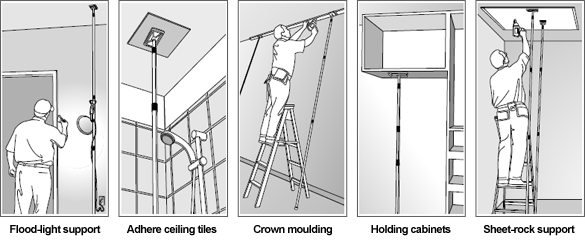
OTHER USES FOR ZIPWALL® POLES

ZipWall® poles are tough. They can hold weights of 70 lbs. or more depending upon the twist to lock it. A very strong twist can support as much as 110 lbs. Caution: Do not use for holding anything that could fall and cause injury.
ZipWall® Dust Barrier Products, Area Containment Products & Temporary Wall Enclosures